English · বাংলায় পড়ুন ↓
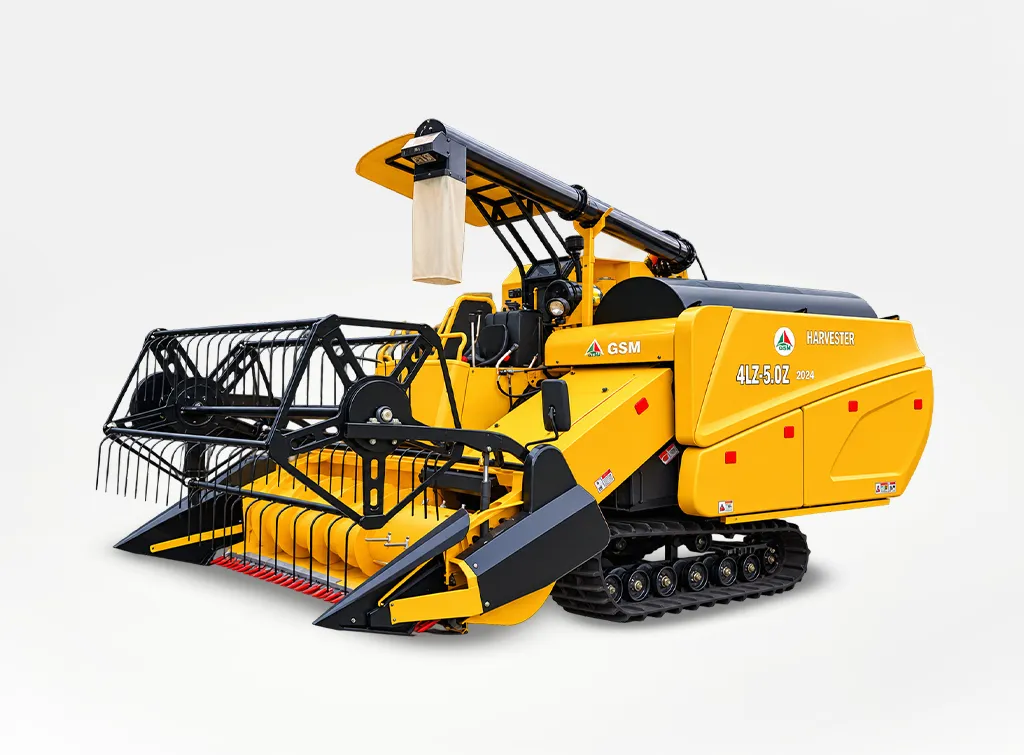
A combine harvester cuts the crop, threshes the grain from the straw and cleans it — all in a single pass across the field. For rice and maize growers in Bangladesh it compresses what used to be three separate operations, each needing its own labour gang and its own weather window, into one machine and one day.
Key takeaways
- One pass replaces cutting, carrying, threshing and winnowing, so grain goes from field to sack the same day.
- The economics work best on larger contiguous plots or when the machine is used as a paid harvesting service across many farms.
- Track-type machines handle the soft, wet fields common in Boro season far better than wheeled machines.
- Harvest at the right grain moisture and pair the combine with a dryer — speed in the field is wasted if the grain then spoils in storage.
What happens inside the machine
The header cuts the standing crop and feeds it into the threshing drum, which separates grain from straw. Sieves and an air blast then clean the grain, which collects in a tank while the straw is discharged behind the machine. The operator unloads the tank into sacks or a trailer at the headland.
Because threshing happens immediately after cutting, the grain never sits in the field waiting for a thresher. That removes the two biggest sources of harvest loss: shattering in the windrow and rain on cut crop.
When a combine makes financial sense
A combine is the most expensive machine most farms will consider, so the question is hours of work per season, not price alone. It pays when one of these is true:
- You farm a large contiguous area and the harvest window is tight.
- You operate it as a paid harvesting service across many farms in a district — the model that has driven most combine adoption in Bangladesh.
- Labour for cutting and threshing is unreliable or expensive in your area during peak weeks.
For a few bighas of your own land, a reaper plus a power thresher will usually give you most of the time saving at a fraction of the capital cost.
Wet fields, lodged crop and Boro season realities
Much of Bangladesh’s rice is harvested on ground that is still soft. Track-type combines spread their weight over a large contact area, so they float where wheels would sink and rut. If you are buying for Boro paddy or haor conditions, tracks are not a luxury.
Lodged crop slows any combine. Lifters on the header help, as does harvesting in the direction the crop has fallen and reducing forward speed. Fields drained a week before harvest cut both lodging and sinking problems substantially.
Before you buy or hire: the checklist
- Tracks or wheels for the fields you will actually work.
- Grain tank size and unloading method — frequent stops to unload eat into daily output.
- Operator skill. Drum speed, sieve and fan settings decide whether you get clean grain or broken grain with chaff. Insist on training.
- Service and parts access. Belts, sieves, blades and bearings must be reachable inside the season.
- Transport between farms if you plan to run it as a service — moving the machine is part of the business model.
- Drying capacity for the grain you will bring in each day.
Daily operation and seasonal care
Start with the manufacturer’s recommended drum speed and adjust by looking at the sample: broken grain means the drum is too fast or the clearance too tight; grain left in the straw means the opposite. Clean the sieves whenever you change crop or field.
Blow out straw and dust from the engine bay and radiator daily — overheating from a blocked radiator is a common harvest-season breakdown. Grease according to the schedule, check belt tension, and inspect header blades for damage. At the end of the season, wash the machine, treat exposed metal, and store it under cover with the battery disconnected.
Combine Harvester at a glance
| Machine | Combine Harvester |
|---|---|
| Category | Farm Machinery |
| Type | Harvesting |
| Main application | Rice & Maize |
| Key capabilities |
|
| Typical users | Rice and maize harvesting, Harvest service businesses, Large farm operations |
| Supplied by | GSM Engineering Bangladesh Ltd., Kushtia (ISO 9001:2015 certified) |
Frequently asked questions
Can a combine harvester work in wet, soft fields?
Track-type combines are designed for exactly those conditions and spread their weight to avoid sinking. Very deep standing water is still a problem, so draining the plot about a week before harvest is recommended.
Does the grain need drying after combining?
Usually yes. Combining often happens at a grain moisture above safe storage level, so grain should be dried promptly with a mechanical dryer or on a clean drying floor before bagging for storage.
Is a combine better than a reaper and thresher?
It is faster and saves more labour, but it costs far more. For small farms, a reaper plus a power thresher gives most of the benefit at much lower cost. A combine suits large farms and paid harvesting services.
What causes broken grain during combining?
Usually drum speed set too high or concave clearance too tight for the crop and moisture level. Adjust while checking a grain sample, and re-check when moving to a different field or variety.
Related machines from GSM Engineering
Need this machine, a quotation or a field demonstration?
GSM Engineering manufactures and supplies agricultural machinery across Bangladesh from our Kushtia factory, with operator training, spare parts and after-sales service.
See the Combine Harvester product page | Contact us for pricing
কম্বাইন হারভেস্টার: এক মেশিনেই কাটা, মাড়াই ও পরিষ্কার
↑ Read in English · বাংলা
কম্বাইন হারভেস্টার এক চালেই ফসল কাটে, দানা মাড়াই করে এবং পরিষ্কার করে দেয়। বাংলাদেশের ধান ও ভুট্টা চাষিদের জন্য এটি তিনটি আলাদা কাজ — যেগুলোর প্রতিটির জন্য আলাদা শ্রমিক ও আলাদা আবহাওয়ার সুযোগ দরকার হতো — এক মেশিনে, এক দিনেই শেষ করে দেয়।
সংক্ষেপে
- এক চালেই কাটা, বহন, মাড়াই ও ঝাড়াই শেষ — জমি থেকে সরাসরি বস্তায় দানা।
- বড় একখণ্ড জমি অথবা ভাড়ায় ফসল কাটার সেবা দিলে সবচেয়ে লাভজনক।
- বোরো মৌসুমের নরম-কাদা জমির জন্য চেইন (ট্র্যাক) টাইপ মেশিন অনেক ভালো।
- কাটার পর দানা দ্রুত শুকাতে হবে — ড্রায়ার না থাকলে দ্রুত কাটার সুবিধা নষ্ট হয়ে যায়।
মেশিনের ভেতরে কী ঘটে
হেডার দাঁড়ানো ফসল কেটে থ্রেশিং ড্রামে পাঠায়, সেখানে খড় থেকে দানা আলাদা হয়। এরপর চালুনি ও বাতাসের ঝাপটায় দানা পরিষ্কার হয়ে ট্যাংকে জমা হয়, আর খড় পেছন দিয়ে বেরিয়ে যায়। আইলে এসে অপারেটর ট্যাংক থেকে দানা বস্তায় বা ট্রলিতে নামিয়ে নেন।
কাটার সাথে সাথেই মাড়াই হয় বলে কাটা ফসল মাঠে পড়ে থাকে না। ফলে ফসল কাটার দুটি বড় ক্ষতি — সারিতে দানা ঝরে পড়া আর কাটা ফসল বৃষ্টিতে ভেজা — দুটোই এড়ানো যায়।
কখন কেনা লাভজনক
এটি সবচেয়ে দামি যন্ত্রগুলোর একটি, তাই হিসাবটা দামের নয় — মৌসুমে কত ঘণ্টা চলবে তার। লাভজনক হয় যদি:
- আপনার বড় একখণ্ড জমি থাকে এবং কাটার সময় খুব কম থাকে।
- আপনি ভাড়ায় ফসল কাটার সেবা দেন — বাংলাদেশে কম্বাইন ব্যবহারের প্রধান মডেল এটিই।
- আপনার এলাকায় ভরা মৌসুমে কাটা-মাড়াইয়ের শ্রমিক পাওয়া কঠিন বা খুব ব্যয়বহুল।
নিজের কয়েক বিঘা জমির জন্য রিপার ও পাওয়ার থ্রেশার অনেক কম খরচে প্রায় একই সুবিধা দেয়।
কাদা জমি ও শুয়ে পড়া ফসল
বাংলাদেশে বেশিরভাগ ধান কাটা হয় নরম জমিতে। ট্র্যাক টাইপ কম্বাইনের ওজন বড় জায়গায় ছড়িয়ে পড়ে, তাই চাকার মেশিন যেখানে দেবে যায় সেখানেও এটি চলতে পারে। বোরো বা হাওর এলাকার জন্য ট্র্যাক টাইপই বাস্তবসম্মত।
শুয়ে পড়া ফসলে যেকোনো কম্বাইনের গতি কমে। হেডারে লিফটার ব্যবহার, ফসল যেদিকে শুয়েছে সেদিক থেকে কাটা এবং গতি কমানো — এই তিনটিই সাহায্য করে। কাটার এক সপ্তাহ আগে পানি সরিয়ে দিলে শুয়ে পড়া ও দেবে যাওয়া দুটোই কমে।
কেনার বা ভাড়া নেওয়ার আগে
- ট্র্যাক না চাকা — যে জমিতে চালাবেন সেই অনুযায়ী ঠিক করুন।
- গ্রেইন ট্যাংকের আকার ও নামানোর ব্যবস্থা — বারবার থামলে দিনের কাজ কমে যায়।
- অপারেটরের দক্ষতা — ড্রামের গতি, চালুনি ও ফ্যানের সেটিং ঠিক না হলে দানা ভাঙে বা ময়লা থেকে যায়।
- যন্ত্রাংশ ও সার্ভিস — বেল্ট, চালুনি, ব্লেড, বিয়ারিং মৌসুমের ভেতরেই পাওয়া যেতে হবে।
- এক জমি থেকে আরেক জমিতে নেওয়ার ব্যবস্থা — সেবা দিতে চাইলে এটিই ব্যবসার অংশ।
- শুকানোর সক্ষমতা — প্রতিদিন যত দানা আসবে তত শুকাতে পারবেন কি না।
দৈনিক চালনা ও মৌসুমি যত্ন
প্রস্তুতকারকের নির্দেশিত ড্রাম গতিতে শুরু করে দানার নমুনা দেখে সমন্বয় করুন: দানা ভাঙলে গতি বেশি বা ক্লিয়ারেন্স কম; খড়ে দানা থেকে গেলে উল্টোটা। ফসল বা জমি বদলালেই চালুনি পরিষ্কার করুন।
প্রতিদিন ইঞ্জিন ও রেডিয়েটর থেকে খড়-ধুলা পরিষ্কার করুন — রেডিয়েটর বন্ধ হয়ে গরম হয়ে যাওয়া মৌসুমের সবচেয়ে সাধারণ সমস্যা। নিয়ম মেনে গ্রিজ দিন, বেল্টের টান দেখুন, হেডারের ব্লেড পরীক্ষা করুন। মৌসুম শেষে ধুয়ে, ব্যাটারি খুলে ছাউনির নিচে রাখুন।
এক নজরে Combine Harvester
| যন্ত্র | Combine Harvester |
|---|---|
| ক্যাটাগরি | ফার্ম মেশিনারি |
| ধরন | Harvesting |
| প্রধান ব্যবহার | Rice & Maize |
| প্রধান সুবিধা |
|
| কারা ব্যবহার করেন | বড় ও মাঝারি খামার, ভাড়ায় ফসল কাটার সেবাদাতা, কৃষক সমবায় |
| সরবরাহকারী | জিএসএম ইঞ্জিনিয়ারিং বাংলাদেশ লিমিটেড, কুষ্টিয়া (ISO 9001:2015 সার্টিফাইড) |
সাধারণ জিজ্ঞাসা
কাদা-নরম জমিতে কি চলে?
ট্র্যাক টাইপ কম্বাইন এই ধরনের জমির জন্যই তৈরি, ওজন ছড়িয়ে পড়ায় দেবে যায় না। তবে গভীর পানি থাকলে সমস্যা হয়, তাই কাটার সপ্তাহখানেক আগে পানি সরিয়ে দেওয়া ভালো।
কাটার পর কি শুকাতে হয়?
সাধারণত হ্যাঁ। কম্বাইনে কাটা দানায় আর্দ্রতা নিরাপদ মাত্রার চেয়ে বেশি থাকে, তাই দ্রুত ড্রায়ারে বা পরিষ্কার চাতালে শুকিয়ে তবেই বস্তাবন্দি করা উচিত।
রিপার-থ্রেশারের চেয়ে কি ভালো?
দ্রুততা ও শ্রম সাশ্রয়ে ভালো, কিন্তু দাম অনেক বেশি। ছোট খামারের জন্য রিপার ও পাওয়ার থ্রেশার কম খরচে প্রায় একই সুবিধা দেয়; কম্বাইন বড় খামার ও সেবাদাতাদের জন্য।
দানা ভেঙে যাচ্ছে কেন?
সাধারণত ড্রামের গতি বেশি বা কনকেভ ক্লিয়ারেন্স খুব কম। নমুনা দেখে সমন্বয় করুন এবং জমি বা জাত বদলালে আবার দেখে নিন।
একই ধরনের অন্যান্য যন্ত্র
যন্ত্রটি কিনতে, দাম জানতে বা মাঠে ডেমো দেখতে চান?
জিএসএম ইঞ্জিনিয়ারিং কুষ্টিয়ার নিজস্ব কারখানায় কৃষি যন্ত্র তৈরি ও সরবরাহ করে — সাথে অপারেটর প্রশিক্ষণ, যন্ত্রাংশ ও বিক্রয়োত্তর সেবা।
Written by the GSM Engineering team, Kushtia, Bangladesh — manufacturing and servicing agricultural machinery since 2004.
লিখেছে জিএসএম ইঞ্জিনিয়ারিং টিম, কুষ্টিয়া — ২০০৪ সাল থেকে কৃষি যন্ত্র তৈরি ও সার্ভিসে নিয়োজিত।