English · বাংলায় পড়ুন ↓
In commercial milling the machine is only part of the story. Two mills running the same equipment on the same paddy can return noticeably different proportions of whole rice, and that difference — head rice recovery — is where the margin lives. This guide covers what actually moves that number.
Key takeaways
- Head rice recovery is set mostly before milling: variety, drying method and paddy handling.
- Rapid or over-drying creates internal cracks that only appear as broken rice at the mill.
- Worn husking rolls quietly cost you recovery long before they fail outright.
- Based on a BRRI-developed design, supplied with parts and service support from Kushtia.
Where breakage actually comes from
Most breakage is inherited, not created. Paddy that was dried too fast, dried in the midday sun on a hot floor, or alternately wetted and dried develops fissures inside the kernel. Those kernels look fine until the mill applies pressure, then split.
So the fastest way to improve recovery is usually upstream: control drying with a mechanical dryer or careful floor drying, let grain temper rather than rushing it, and avoid rewetting dried paddy.
Parboiling, moisture and milling
Parboiled paddy mills differently from raw paddy: the process gelatinises the starch and generally reduces breakage, but it adds its own quality controls — soaking time, steaming and drying all have to be consistent.
Whatever the process, mill at an appropriate moisture. Too dry and kernels are brittle; too wet and rice smears, bran clings and the machine works harder for a poorer result. Consistency is what buyers notice over a season.
Running the mill for quality
- Clean the paddy first. Stones and trash damage rolls and screens, and end up in the rice.
- Check husking rolls regularly. Worn rolls leave unhusked grain and raise breakage.
- Do not over-whiten. Each extra pass removes more bran but also breaks more rice; match the degree of polish to what your buyer wants.
- Keep the flow steady. Surges and starvation both hurt recovery.
- Sample and record. Track recovery by batch so you can see what actually changes it.
Investing in a mill
Work out realistic throughput for your market: how much paddy arrives in the peak weeks, how much storage you have, and whether you will mill your own, buy paddy or do custom milling. Confirm power requirements and cost per maund at your actual tariff.
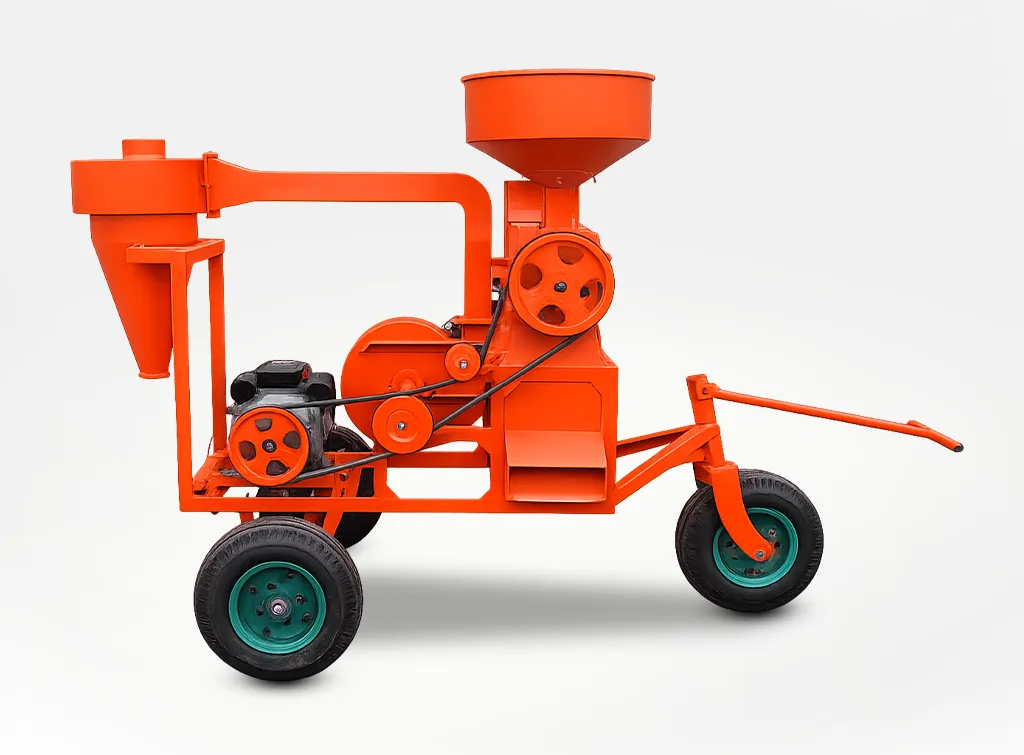
Plan for by-products from the start — bran for feed or oil extraction, husk for fuel — because they turn a cost line into revenue. Finally, confirm where rolls, screens, belts and bearings come from and how fast; in milling, downtime during the post-harvest peak is the most expensive problem you can have. For village-scale operations, see the BRRI mini rice mill.
BRRI Rice Mill at a glance
| Machine | BRRI Rice Mill |
|---|---|
| Category | Agro Machinery |
| Type | Processing |
| Main application | Grain Processing |
| Key capabilities |
|
| Typical users | Commercial rice milling, Grain traders, Agro-processing businesses |
| Supplied by | GSM Engineering Bangladesh Ltd., Kushtia (ISO 9001:2015 certified) |
Frequently asked questions
What is head rice recovery and why does it matter?
It is the share of milled output that comes out as whole grains rather than broken. Whole rice sells for more, so recovery decides the value you get from the same paddy.
Does parboiling reduce breakage?
Parboiling generally improves milling outcomes by hardening the kernel, but it adds its own controls — soaking, steaming and drying must be consistent or quality varies batch to batch.
How often should husking rolls be replaced?
Before they are visibly worn out. Worn rolls leave unhusked grain and increase breakage, and the lost recovery usually costs more than the roll.
Should I mill my own paddy or offer custom milling?
Both models work. Custom milling gives steadier demand from local farmers; buying and milling paddy gives higher margin but needs working capital and storage. Many mills do both.
Related machines from GSM Engineering
Need this machine, a quotation or a field demonstration?
GSM Engineering manufactures and supplies agricultural machinery across Bangladesh from our Kushtia factory, with operator training, spare parts and after-sales service.
See the BRRI Rice Mill product page | Contact us for pricing
ব্রি রাইস মিল: প্রতি মণে বেশি আস্ত চাল পাওয়ার উপায়
↑ Read in English · বাংলা
বাণিজ্যিক মিলিংয়ে মেশিন গল্পের একটি অংশ মাত্র। একই যন্ত্রে, একই ধান ভাঙিয়ে দুটি মিল আলাদা পরিমাণ আস্ত চাল দিতে পারে — আর সেই পার্থক্যেই লাভ লুকিয়ে থাকে। এই লেখায় আছে, আসলে কোন বিষয়গুলো এই হারকে বদলায়।
সংক্ষেপে
- আস্ত চালের হার বেশিরভাগই নির্ধারিত হয় মিলে আসার আগেই — জাত, শুকানোর পদ্ধতি ও ধান ব্যবস্থাপনায়।
- দ্রুত বা অতিরিক্ত শুকানোয় দানার ভেতরে ফাটল ধরে, যা মিলেই ভাঙা হয়ে ধরা পড়ে।
- ক্ষয়ে যাওয়া হাসকিং রোল নষ্ট হওয়ার অনেক আগেই নীরবে লাভ কমাতে থাকে।
- ব্রি-উদ্ভাবিত নকশা, কুষ্টিয়া থেকে যন্ত্রাংশ ও সার্ভিস সহায়তা।
ভাঙা চাল আসলে কোথা থেকে আসে
বেশিরভাগ ভাঙা মিলে তৈরি হয় না, আগেই তৈরি হয়ে আসে। খুব দ্রুত শুকানো, দুপুরের কড়া রোদে গরম চাতালে শুকানো বা বারবার ভিজে-শুকিয়ে যাওয়া ধানের ভেতরে ফাটল ধরে। সেই দানা দেখতে ঠিকই থাকে, মিলে চাপ পড়লেই ভেঙে যায়।
তাই হার বাড়ানোর দ্রুততম উপায় সাধারণত আগের ধাপে — ড্রায়ারে বা সাবধানে চাতালে নিয়ন্ত্রিতভাবে শুকানো, তাড়াহুড়া না করে ধানকে একটু জিরিয়ে নিতে দেওয়া এবং শুকনো ধান আবার না ভেজানো।
সেদ্ধ করা, আর্দ্রতা ও মিলিং
সেদ্ধ (পারবয়েল্ড) ধান কাঁচা ধানের চেয়ে আলাদাভাবে ভাঙে — প্রক্রিয়ায় স্টার্চ জমাট বাঁধে বলে ভাঙা সাধারণত কম হয়, তবে এর নিজস্ব নিয়ন্ত্রণ লাগে: ভেজানোর সময়, সেদ্ধ করা ও শুকানো — সবই সমান রাখতে হয়।
যে প্রক্রিয়াই হোক, উপযুক্ত আর্দ্রতায় ভাঙান। বেশি শুকনো হলে দানা ভঙ্গুর; বেশি ভেজা হলে চাল থেঁতলে যায়, কুঁড়া লেগে থাকে এবং মেশিনে বেশি চাপ পড়ে। এক মৌসুম জুড়ে ক্রেতারা এই ধারাবাহিকতাই খেয়াল করেন।
মান ধরে রেখে মিল চালানো
- আগে ধান পরিষ্কার করুন — পাথর ও আবর্জনা রোল-জাল নষ্ট করে এবং চালে মিশে যায়।
- নিয়মিত রোল দেখুন — ক্ষয়া রোলে তুষসহ দানা থেকে যায় ও ভাঙা বাড়ে।
- বেশি পালিশ নয় — প্রতিবার বাড়তি পালিশে কুঁড়া বেশি ওঠে, চালও বেশি ভাঙে; ক্রেতার চাহিদা অনুযায়ী মাত্রা ঠিক করুন।
- প্রবাহ সমান রাখুন — হঠাৎ বেশি বা হঠাৎ কম, দুটোই ক্ষতিকর।
- নমুনা রাখুন ও হিসাব লিখুন — ব্যাচ অনুযায়ী হার লিখে রাখলে বোঝা যায় কী কাজ করছে।
মিলে বিনিয়োগের আগে
আপনার বাজারের জন্য বাস্তব ক্ষমতা হিসাব করুন: ভরা মৌসুমে কত ধান আসবে, কত গুদাম আছে, আপনি নিজের ধান ভাঙাবেন নাকি ধান কিনবেন নাকি ভাড়ায় ভাঙাবেন। বিদ্যুতের চাহিদা ও আপনার প্রকৃত ট্যারিফে মণপ্রতি খরচ বের করুন।
শুরু থেকেই উপজাতের পরিকল্পনা রাখুন — কুঁড়া গো-খাদ্য/তেলের জন্য, তুষ জ্বালানি হিসেবে — এগুলো খরচের খাতকে আয়ে বদলে দেয়। সবশেষে, রোল, জাল, বেল্ট ও বিয়ারিং কোথা থেকে ও কত দ্রুত পাবেন নিশ্চিত হোন; মিলিংয়ে ভরা মৌসুমে মেশিন বন্ধ থাকাই সবচেয়ে ব্যয়বহুল সমস্যা। গ্রাম পর্যায়ের জন্য দেখুন ব্রি মিনি রাইস মিল।
এক নজরে BRRI Rice Mill
| যন্ত্র | BRRI Rice Mill |
|---|---|
| ক্যাটাগরি | এগ্রো মেশিনারি |
| ধরন | Processing |
| প্রধান ব্যবহার | Grain Processing |
| প্রধান সুবিধা |
|
| কারা ব্যবহার করেন | চালকল ব্যবসায়ী, ধান ব্যবসায়ী ও সমবায়, কৃষি প্রক্রিয়াজাত উদ্যোক্তা |
| সরবরাহকারী | জিএসএম ইঞ্জিনিয়ারিং বাংলাদেশ লিমিটেড, কুষ্টিয়া (ISO 9001:2015 সার্টিফাইড) |
সাধারণ জিজ্ঞাসা
আস্ত চালের হার মানে কী, এটি কেন গুরুত্বপূর্ণ?
মিল থেকে বের হওয়া চালের কত অংশ ভাঙা না হয়ে আস্ত থাকে, সেটিই আস্ত চালের হার। আস্ত চালের দাম বেশি, তাই একই ধান থেকে আপনি কত মূল্য পাবেন তা এই হারই ঠিক করে।
সেদ্ধ করলে কি ভাঙা কমে?
সাধারণত কমে, কারণ দানা শক্ত হয়। তবে ভেজানো, সেদ্ধ ও শুকানো — এই ধাপগুলো সমান না রাখলে ব্যাচভেদে মান বদলে যায়।
হাসকিং রোল কখন বদলাতে হয়?
পুরোপুরি ক্ষয়ে যাওয়ার আগেই। ক্ষয়া রোলে তুষসহ দানা থেকে যায় ও ভাঙা বাড়ে — হারানো আস্ত চালের দাম সাধারণত রোলের দামের চেয়ে বেশি।
নিজের ধান ভাঙাব নাকি ভাড়ায় ভাঙাব?
দুটোই চলে। ভাড়ায় ভাঙালে স্থানীয় কৃষকের কাছ থেকে নিয়মিত কাজ পাওয়া যায়; ধান কিনে ভাঙালে লাভ বেশি, তবে পুঁজি ও গুদাম লাগে। অনেক মিল দুটোই করে।
একই ধরনের অন্যান্য যন্ত্র
যন্ত্রটি কিনতে, দাম জানতে বা মাঠে ডেমো দেখতে চান?
জিএসএম ইঞ্জিনিয়ারিং কুষ্টিয়ার নিজস্ব কারখানায় কৃষি যন্ত্র তৈরি ও সরবরাহ করে — সাথে অপারেটর প্রশিক্ষণ, যন্ত্রাংশ ও বিক্রয়োত্তর সেবা।
Written by the GSM Engineering team, Kushtia, Bangladesh — manufacturing and servicing agricultural machinery since 2004.
লিখেছে জিএসএম ইঞ্জিনিয়ারিং টিম, কুষ্টিয়া — ২০০৪ সাল থেকে কৃষি যন্ত্র তৈরি ও সার্ভিসে নিয়োজিত।