English · বাংলায় পড়ুন ↓
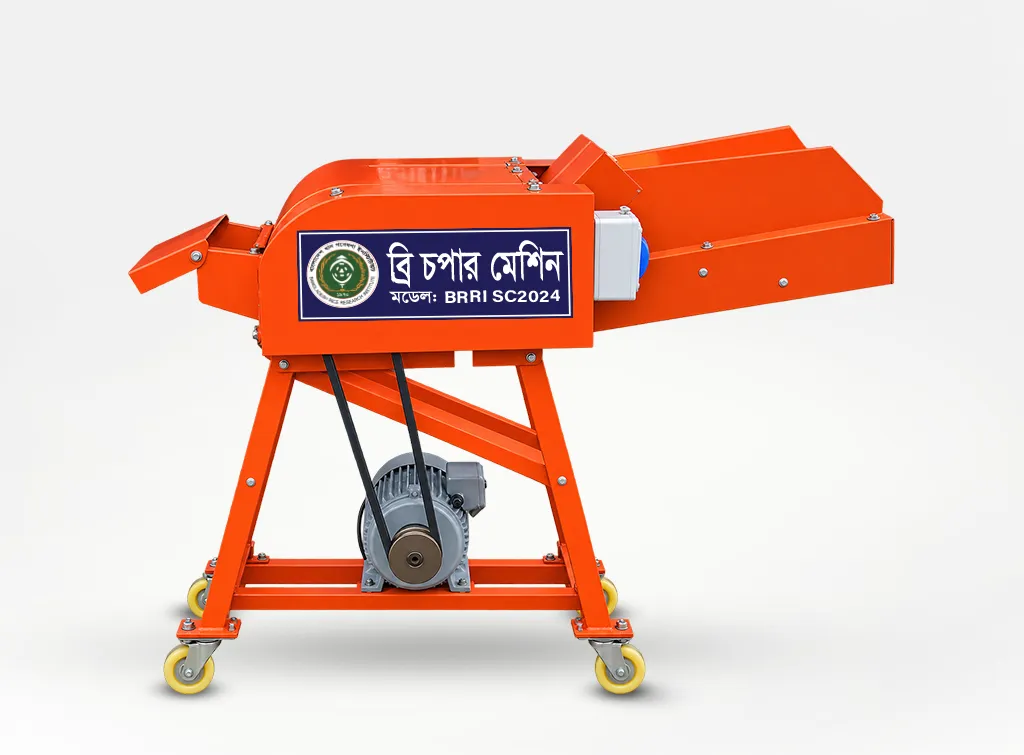
A chopper cuts bulky plant material — maize stover, rice straw, napier and other green fodder — into short pieces that livestock will actually eat and that pack down for storage. On mixed farms it is the machine that converts a field residue problem into a feed resource.
Key takeaways
- Crop residue burned or dumped is feed value thrown away; chopping makes it usable.
- Chopped material packs tighter, which matters for storage and for silage making.
- Chop quality — uniform length, clean cut — affects both intake and how well silage ferments.
- Based on a BRRI-developed design, supplied with parts and service support.
From residue problem to feed resource
After maize or paddy harvest, a lot of plant material is left in the field. Much of it has feed value, but animals will not eat long, coarse stover efficiently and it is awkward to store or carry. Chopping solves both problems at once: the material becomes edible in practice, and it stacks into a fraction of the volume.
For dairy and fattening operations, that turns a seasonal glut into feed you can use across the lean months instead of buying in.
Chopping for silage
If you make silage, chop quality matters more than for direct feeding. Uniform, short pieces pack tightly in the pit or bag, which drives out air — and excluding air is what lets the right fermentation happen and keeps mould out.
Chop at the right moisture, fill and compact quickly, and seal properly. A good chopper makes compaction easy; a poor chop leaves air pockets no amount of pressing fully removes.
Running it well and safely
- Feed material evenly and keep the flow steady; surges stall the machine and give uneven chop.
- Remove wire, plastic, stones and soil before chopping — they damage blades and ruin feed.
- Keep blades sharp. Dull blades tear rather than cut, use more power and give a ragged chop.
- Never push material in by hand or clear a jam while running; switch off and wait for the blades to stop.
- Keep guards fitted and children away from the working area.
Buying and maintenance
Match throughput to the volume of residue and fodder you handle at peak, and confirm the power source. Ask about blade availability and sharpening, since blades are the main wear item and a chopper with dull blades quietly costs you fuel or electricity on every batch.
After use, clear residue from the housing and discharge, check belt tension and fasteners, and grease the bearings. Inspect and sharpen blades on schedule, and store the machine clean, dry and under cover. For daily dairy fodder preparation, see our guide to the BARI grass cutter.
BRRI Chopper at a glance
| Machine | BRRI Chopper |
|---|---|
| Category | Farm Machinery |
| Type | Livestock |
| Main application | Fodder Preparation |
| Key capabilities |
|
| Typical users | Fodder chopping, Compost preparation, Livestock farms |
| Supplied by | GSM Engineering Bangladesh Ltd., Kushtia (ISO 9001:2015 certified) |
Frequently asked questions
What materials can a chopper handle?
Bulky plant material such as maize stover, rice straw and green fodder like napier. Remove wire, plastic, stones and soil first, because they damage blades and contaminate feed.
Why does chop length matter for silage?
Short, uniform pieces compact tightly and expel air from the pit or bag. Excluding air is what allows good fermentation and prevents mould.
How often should blades be sharpened?
Whenever the chop becomes ragged or the machine starts working harder for the same output. Dull blades increase power use and reduce feed quality.
Can a chopper be shared between farms?
Yes. Residue chopping is seasonal, so many farmer groups share a machine or hire chopping as a service, which spreads the cost across more animals.
Related machines from GSM Engineering
Need this machine, a quotation or a field demonstration?
GSM Engineering manufactures and supplies agricultural machinery across Bangladesh from our Kushtia factory, with operator training, spare parts and after-sales service.
ব্রি চপার: ফসলের অবশিষ্ট ও সবুজ ঘাসকে কাজে লাগানোর যন্ত্র
↑ Read in English · বাংলা
চপার ভুট্টার গাছ, ধানের খড়, নেপিয়ারসহ বড় আকারের উদ্ভিজ্জ উপকরণ ছোট টুকরা করে কাটে, যাতে পশু সেগুলো সত্যিই খায় এবং সংরক্ষণেও কম জায়গা লাগে। মিশ্র খামারে এই যন্ত্রটিই মাঠের অবশিষ্ট সমস্যা-কে খাদ্য সম্পদে পরিণত করে।
সংক্ষেপে
- পোড়ানো বা ফেলে দেওয়া ফসলের অবশিষ্ট মানে ফেলে দেওয়া খাদ্যমূল্য; কেটে নিলে তা কাজে লাগে।
- কাটা উপকরণ কম জায়গায় ধরে — সংরক্ষণ ও সাইলেজ তৈরিতে এটিই মূল কথা।
- সমান দৈর্ঘ্যে পরিষ্কার কাটা পশুর খাওয়া ও সাইলেজের গাঁজন দুটোকেই প্রভাবিত করে।
- ব্রি-উদ্ভাবিত নকশা, যন্ত্রাংশ ও সার্ভিস সহায়তা সহ।
অবশিষ্ট থেকে খাদ্য
ভুট্টা বা ধান কাটার পর মাঠে প্রচুর গাছ-খড় পড়ে থাকে। এগুলোর খাদ্যমূল্য আছে, কিন্তু লম্বা ও মোটা অবস্থায় পশু ঠিকমতো খায় না, সংরক্ষণ ও বহনও কষ্টকর। কেটে নিলে দুই সমস্যারই সমাধান — খাওয়ার উপযোগী হয় এবং আয়তন অনেক কমে যায়।
দুগ্ধ ও মোটাতাজাকরণ খামারে এটি মৌসুমের উদ্বৃত্তকে খরার মাসগুলোর খাদ্যে পরিণত করে, বাইরে থেকে কিনতে হয় না।
সাইলেজের জন্য কাটা
সাইলেজ তৈরি করলে কাটার মান আরও গুরুত্বপূর্ণ। সমান, ছোট টুকরা গর্তে বা ব্যাগে ভালোভাবে চেপে বসে এবং বাতাস বের করে দেয় — আর বাতাস না থাকাই সঠিক গাঁজন নিশ্চিত করে ও ছত্রাক ঠেকায়।
সঠিক আর্দ্রতায় কাটুন, দ্রুত ভরে চেপে দিন এবং ভালোভাবে বন্ধ করুন। ভালো চপার চাপ দেওয়া সহজ করে; খারাপ কাটায় বাতাসের ফাঁক থেকে যায়, যত চাপই দিন।
ভালোভাবে ও নিরাপদে চালানো
- সমানভাবে উপকরণ দিন — একসাথে বেশি দিলে মেশিন আটকে যায় ও কাটা অসমান হয়।
- তার, পলিথিন, পাথর ও মাটি সরিয়ে নিন — এগুলো ব্লেড নষ্ট করে ও খাদ্য দূষিত করে।
- ব্লেড ধারালো রাখুন — ভোঁতা ব্লেড কাটে না, ছেঁড়ে; শক্তি বেশি লাগে ও কাটা এলোমেলো হয়।
- হাত দিয়ে ঠেলবেন না বা চালু অবস্থায় জ্যাম ছাড়াবেন না; বন্ধ করে ব্লেড থামা পর্যন্ত অপেক্ষা করুন।
- গার্ড লাগানো রাখুন ও শিশুদের দূরে রাখুন।
কেনা ও রক্ষণাবেক্ষণ
ব্যস্ত সময়ে কত অবশিষ্ট ও ঘাস সামলাবেন সেই অনুযায়ী ক্ষমতা বাছুন এবং শক্তির উৎস নিশ্চিত করুন। ব্লেড পাওয়া যায় কি না ও ধার দেওয়ার ব্যবস্থা আছে কি না জেনে নিন; ব্লেডই প্রধান ক্ষয়শীল অংশ, আর ভোঁতা ব্লেড প্রতিবার জ্বালানি বা বিদ্যুৎ বেশি খরচ করায়।
ব্যবহারের পর হাউজিং ও বের হওয়ার মুখ পরিষ্কার করুন, বেল্টের টান ও বল্টু দেখুন, বিয়ারিংয়ে গ্রিজ দিন। নিয়ম মেনে ব্লেড পরীক্ষা ও ধার দিন এবং যন্ত্র পরিষ্কার-শুকনো অবস্থায় ছাউনির নিচে রাখুন। প্রতিদিনের গো-খাদ্য তৈরির জন্য দেখুন বারি ঘাস কাটার যন্ত্র।
এক নজরে BRRI Chopper
| যন্ত্র | BRRI Chopper |
|---|---|
| ক্যাটাগরি | ফার্ম মেশিনারি |
| ধরন | Livestock |
| প্রধান ব্যবহার | Fodder Preparation |
| প্রধান সুবিধা |
|
| কারা ব্যবহার করেন | গবাদি ও দুগ্ধ খামার, সাইলেজ প্রস্তুতকারক, কৃষক দল ও সমবায় |
| সরবরাহকারী | জিএসএম ইঞ্জিনিয়ারিং বাংলাদেশ লিমিটেড, কুষ্টিয়া (ISO 9001:2015 সার্টিফাইড) |
সাধারণ জিজ্ঞাসা
কী কী কাটা যায়?
ভুট্টার গাছ, ধানের খড় ও নেপিয়ারের মতো সবুজ ঘাস — অর্থাৎ বড় আকারের উদ্ভিজ্জ উপকরণ। আগে তার, পলিথিন, পাথর ও মাটি সরিয়ে নিন, নইলে ব্লেড নষ্ট হয় ও খাদ্য দূষিত হয়।
সাইলেজে কাটার দৈর্ঘ্য কেন গুরুত্বপূর্ণ?
ছোট ও সমান টুকরা ভালোভাবে চেপে বসে ও গর্ত/ব্যাগ থেকে বাতাস বের করে দেয়। বাতাস না থাকলেই সঠিক গাঁজন হয় ও ছত্রাক ধরে না।
ব্লেড কত দিন পরপর ধার দিতে হয়?
কাটা এলোমেলো হতে শুরু করলে বা একই কাজে মেশিনে বেশি চাপ পড়লে। ভোঁতা ব্লেডে শক্তি খরচ বাড়ে ও খাদ্যের মান কমে।
কয়েকজন মিলে ব্যবহার করা যায়?
হ্যাঁ। অবশিষ্ট কাটার কাজ মৌসুমি, তাই অনেক কৃষক দল একসাথে যন্ত্র ব্যবহার করেন বা ভাড়ায় কাটিয়ে নেন — এতে খরচ ভাগ হয়ে যায়।
একই ধরনের অন্যান্য যন্ত্র
যন্ত্রটি কিনতে, দাম জানতে বা মাঠে ডেমো দেখতে চান?
জিএসএম ইঞ্জিনিয়ারিং কুষ্টিয়ার নিজস্ব কারখানায় কৃষি যন্ত্র তৈরি ও সরবরাহ করে — সাথে অপারেটর প্রশিক্ষণ, যন্ত্রাংশ ও বিক্রয়োত্তর সেবা।
Written by the GSM Engineering team, Kushtia, Bangladesh — manufacturing and servicing agricultural machinery since 2004.
লিখেছে জিএসএম ইঞ্জিনিয়ারিং টিম, কুষ্টিয়া — ২০০৪ সাল থেকে কৃষি যন্ত্র তৈরি ও সার্ভিসে নিয়োজিত।