English · বাংলায় পড়ুন ↓
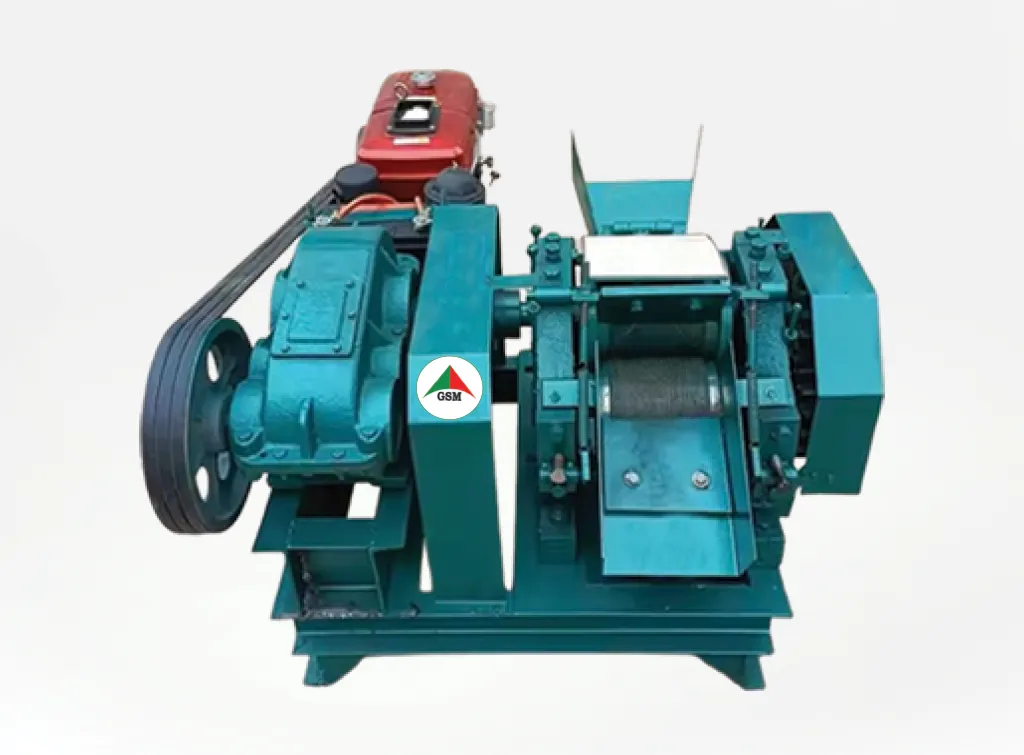
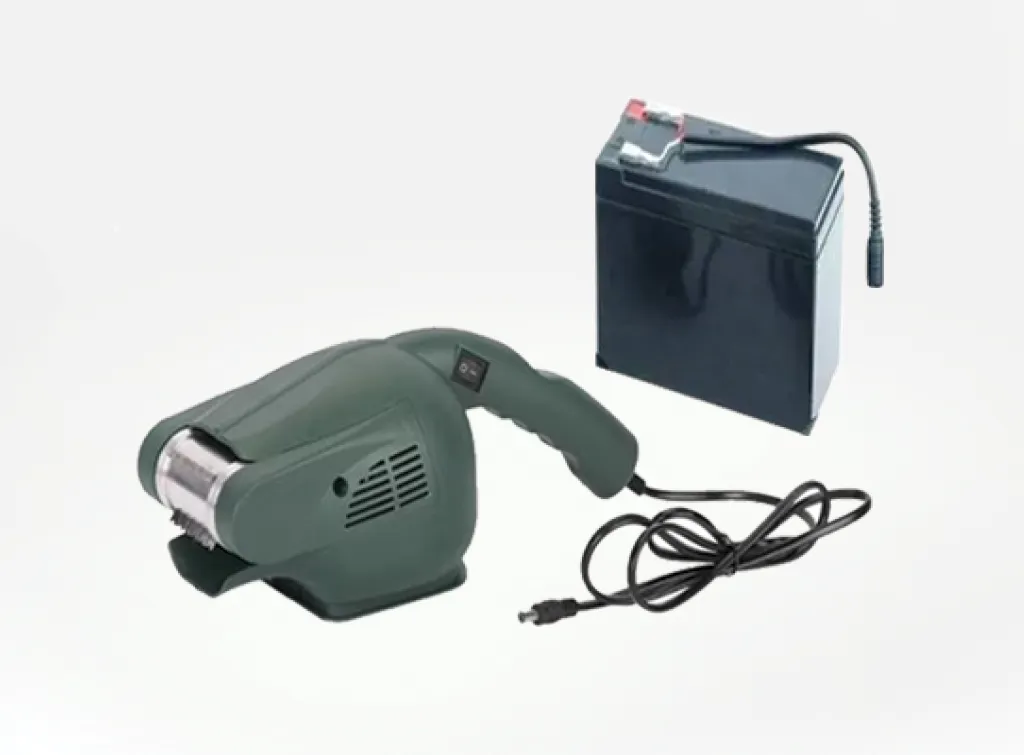
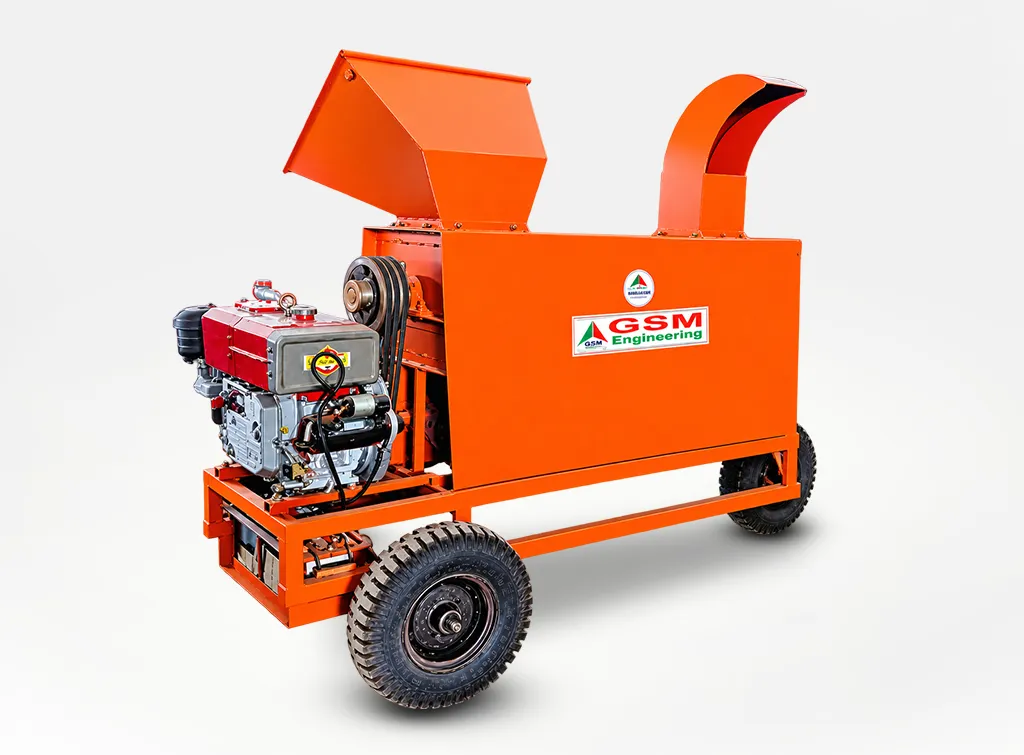
The BARI maize sheller strips grain from maize cobs mechanically, replacing hand shelling that leaves thumbs raw and takes days. As maize area has expanded across Bangladesh, shelling has quietly become the step that decides how much a farm can actually handle after harvest.
Key takeaways
- Shelling capacity, not growing capacity, is what limits many maize farms after harvest.
- Cob moisture is the single biggest factor in grain damage during shelling.
- Shelled maize must be dried to safe storage moisture quickly or it moulds in the sack.
- Based on a BARI-developed design, manufactured and serviced from Kushtia.
Why mechanical shelling matters for maize
Maize cobs do not wait politely. Once harvested they must be shelled and dried before storage moulds set in, and in a wet autumn that window can be short. Hand shelling a few sacks is manageable; hand shelling a season’s harvest is not.
A sheller turns shelling into a scheduled operation — so many sacks per session — which means you can plan drying and storage around it instead of hoping the household can keep up.
Moisture: the one setting that matters most
Shell cobs that are too wet and grain tears off with the germ attached, the machine clogs, and the resulting grain is difficult to dry evenly. Shell cobs that are bone dry and more kernels crack. The practical approach is to shell when cobs are dry enough that kernels come away cleanly but not so dry that they shatter — and to check a sample before running the whole batch.
Whatever the shelling moisture, dry the grain promptly afterwards with a dryer or on a clean drying floor before bagging.
Running it well
- Feed steadily rather than in surges; overloading increases breakage and stalls.
- Remove husk and trash first — debris blocks the discharge and contaminates grain.
- Check the sample for cracked grain and for kernels left on cobs; adjust before continuing.
- Keep the discharge clear so grain does not back up into the shelling chamber.
Buying, service and safety
Match the machine to the volume you expect at peak and to the power source you have. If you will shell for other farmers, ask about transport and the cost of wear parts, since custom shelling is a volume business. Confirm that spare parts and service are available locally before the season starts.
On safety: keep guards in place, never put hands near the feeding or discharge openings while running, stop the machine before clearing blockages, and keep children away. For a comparison of sheller options, see our guide to the BARI corn sheller.
BARI Maize Sheller at a glance
| Machine | BARI Maize Sheller |
|---|---|
| Category | Agro Machinery |
| Type | Post-Harvest |
| Main application | Maize Cultivation |
| Key capabilities |
|
| Typical users | Maize shelling, Grain traders, Farmer groups |
| Supplied by | GSM Engineering Bangladesh Ltd., Kushtia (ISO 9001:2015 certified) |
Frequently asked questions
What causes cracked grain during shelling?
Usually over-dry cobs or uneven, surging feeding. Shell at the right moisture, feed steadily and check a sample of grain before running the whole harvest.
Does shelled maize need drying?
Almost always. Maize shelled above safe storage moisture will heat and mould in the sack, so dry it promptly with a dryer or on a clean drying floor before storage.
Can I shell maize straight after harvest?
Only if the cobs are dry enough for kernels to release cleanly. Very wet cobs clog the machine and produce grain that is hard to dry evenly.
Is a sheller worthwhile for a small maize plot?
For a very small plot, hand shelling may do. The machine pays off once the harvest is more than a household can shell in the window between harvest and spoilage — or if you shell for others as a service.
Related machines from GSM Engineering
Need this machine, a quotation or a field demonstration?
GSM Engineering manufactures and supplies agricultural machinery across Bangladesh from our Kushtia factory, with operator training, spare parts and after-sales service.
See the BARI Maize Sheller product page | Contact us for pricing
বারি মেইজ শেলার: ভুট্টার মোচা থেকে দ্রুত দানা ছাড়ানো
↑ Read in English · বাংলা
বারি মেইজ শেলার যন্ত্রের সাহায্যে ভুট্টার মোচা থেকে দানা ছাড়ায় — হাতে ছাড়ানোর বিকল্প, যেটি দিনের পর দিন সময় নেয় আর হাতও ক্ষয়ে যায়। বাংলাদেশে ভুট্টার আবাদ যত বেড়েছে, ততই ছাড়ানোর কাজটিই ঠিক করে দিচ্ছে একটি খামার আসলে কতটা ফসল সামলাতে পারবে।
সংক্ষেপে
- অনেক ভুট্টা খামারে চাষের ক্ষমতা নয়, ছাড়ানোর ক্ষমতাই আসল সীমা।
- মোচার আর্দ্রতাই দানা ভাঙার প্রধান কারণ।
- ছাড়ানো ভুট্টা দ্রুত শুকিয়ে নিরাপদ আর্দ্রতায় আনতে হবে, নইলে বস্তাতেই ছত্রাক ধরে।
- বারি-উদ্ভাবিত নকশায় কুষ্টিয়ায় তৈরি ও সার্ভিস সহায়তা সহ।
ভুট্টায় যন্ত্রে ছাড়ানো কেন জরুরি
ভুট্টার মোচা অপেক্ষা করে না। ফসল ওঠার পর সংরক্ষণের ছত্রাক ধরার আগেই ছাড়িয়ে শুকিয়ে ফেলতে হয়, আর ভেজা মৌসুমে সেই সময়টুকু খুবই কম। কয়েক বস্তা হাতে ছাড়ানো যায়, পুরো মৌসুমের ফসল যায় না।
শেলার থাকলে কাজটি নির্দিষ্ট পরিকল্পনায় আসে — প্রতি বসায় এত বস্তা — ফলে শুকানো ও সংরক্ষণও সেই অনুযায়ী সাজানো যায়।
আর্দ্রতাই প্রধান বিষয়
বেশি ভেজা মোচা ছাড়ালে দানার সাথে অঙ্কুর অংশ ছিঁড়ে আসে, মেশিন জ্যাম হয় এবং সেই দানা সমানভাবে শুকানো কঠিন হয়। আবার একেবারে শুকনো হলে দানা বেশি ফাটে। বাস্তব নিয়ম হলো — দানা পরিষ্কারভাবে ছেড়ে আসার মতো শুকনো, কিন্তু ভেঙে যাওয়ার মতো নয়; আর পুরো ব্যাচ চালানোর আগে নমুনা দেখে নেওয়া।
যে আর্দ্রতাতেই ছাড়ান, এরপর দ্রুত ড্রায়ারে বা পরিষ্কার চাতালে শুকিয়ে তবেই বস্তাবন্দি করুন।
ভালোভাবে চালানোর নিয়ম
- সমানভাবে দিন — একসাথে বেশি দিলে ভাঙা বাড়ে ও মেশিন আটকে যায়।
- খোসা ও আবর্জনা আগে সরান — এগুলো বের হওয়ার পথ বন্ধ করে ও দানায় ময়লা মেশায়।
- নমুনা দেখুন — ফাটা দানা ও মোচায় থেকে যাওয়া দানা দেখে সমন্বয় করুন।
- বের হওয়ার পথ খোলা রাখুন যাতে দানা জমে ভেতরে ফেরত না যায়।
কেনা, সার্ভিস ও নিরাপত্তা
ব্যস্ত সময়ের পরিমাণ ও আপনার বিদ্যুৎ/ইঞ্জিন ব্যবস্থার সাথে মেশিন মেলান। অন্যের ফসল ছাড়িয়ে দিতে চাইলে পরিবহন ও ক্ষয়শীল অংশের খরচ হিসাব করুন। মৌসুম শুরুর আগেই যন্ত্রাংশ ও সার্ভিস স্থানীয়ভাবে পাওয়া যায় কি না নিশ্চিত হোন।
নিরাপত্তা: গার্ড লাগানো রাখুন, চালু অবস্থায় ফিডিং বা বের হওয়ার মুখে হাত দেবেন না, জ্যাম ছাড়ানোর আগে মেশিন বন্ধ করুন এবং শিশুদের দূরে রাখুন। শেলারের তুলনার জন্য দেখুন বারি কর্ন শেলার।
এক নজরে BARI Maize Sheller
| যন্ত্র | BARI Maize Sheller |
|---|---|
| ক্যাটাগরি | এগ্রো মেশিনারি |
| ধরন | Post-Harvest |
| প্রধান ব্যবহার | Maize Cultivation |
| প্রধান সুবিধা |
|
| কারা ব্যবহার করেন | ভুট্টা চাষি, প্রক্রিয়াজাত সেবাদাতা, কৃষক সমবায় |
| সরবরাহকারী | জিএসএম ইঞ্জিনিয়ারিং বাংলাদেশ লিমিটেড, কুষ্টিয়া (ISO 9001:2015 সার্টিফাইড) |
সাধারণ জিজ্ঞাসা
দানা ফেটে যাচ্ছে কেন?
সাধারণত মোচা খুব শুকনো বা অসমানভাবে দেওয়া হচ্ছে। সঠিক আর্দ্রতায় ছাড়ান, সমানভাবে দিন এবং পুরো ফসল চালানোর আগে নমুনা দেখুন।
ছাড়ানোর পর কি শুকাতে হয়?
প্রায় সবসময়ই। নিরাপদ মাত্রার বেশি আর্দ্রতায় ছাড়ানো ভুট্টা বস্তায় গরম হয়ে ছত্রাক ধরে, তাই দ্রুত শুকিয়ে নিন।
ফসল ওঠার সাথে সাথেই ছাড়ানো যায়?
দানা পরিষ্কারভাবে ছেড়ে আসার মতো শুকনো হলেই কেবল। খুব ভেজা মোচায় মেশিন জ্যাম হয় এবং দানা সমানভাবে শুকানো কঠিন হয়।
ছোট জমির জন্য কি লাভজনক?
খুব ছোট জমিতে হাতেও চলে। ফসলের পরিমাণ যখন নির্দিষ্ট সময়ের মধ্যে পরিবারে ছাড়ানো সম্ভব নয়, বা অন্যের ফসল ভাড়ায় ছাড়াতে চান, তখনই যন্ত্রটি লাভজনক।
একই ধরনের অন্যান্য যন্ত্র
যন্ত্রটি কিনতে, দাম জানতে বা মাঠে ডেমো দেখতে চান?
জিএসএম ইঞ্জিনিয়ারিং কুষ্টিয়ার নিজস্ব কারখানায় কৃষি যন্ত্র তৈরি ও সরবরাহ করে — সাথে অপারেটর প্রশিক্ষণ, যন্ত্রাংশ ও বিক্রয়োত্তর সেবা।
Written by the GSM Engineering team, Kushtia, Bangladesh — manufacturing and servicing agricultural machinery since 2004.
লিখেছে জিএসএম ইঞ্জিনিয়ারিং টিম, কুষ্টিয়া — ২০০৪ সাল থেকে কৃষি যন্ত্র তৈরি ও সার্ভিসে নিয়োজিত।