English · বাংলায় পড়ুন ↓
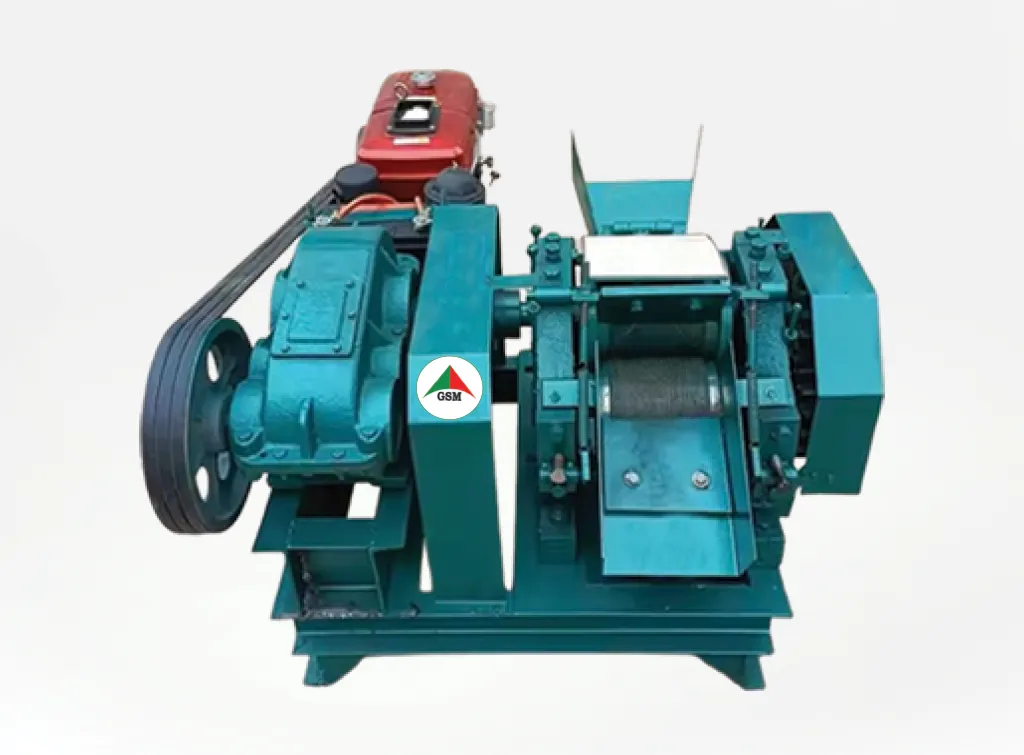
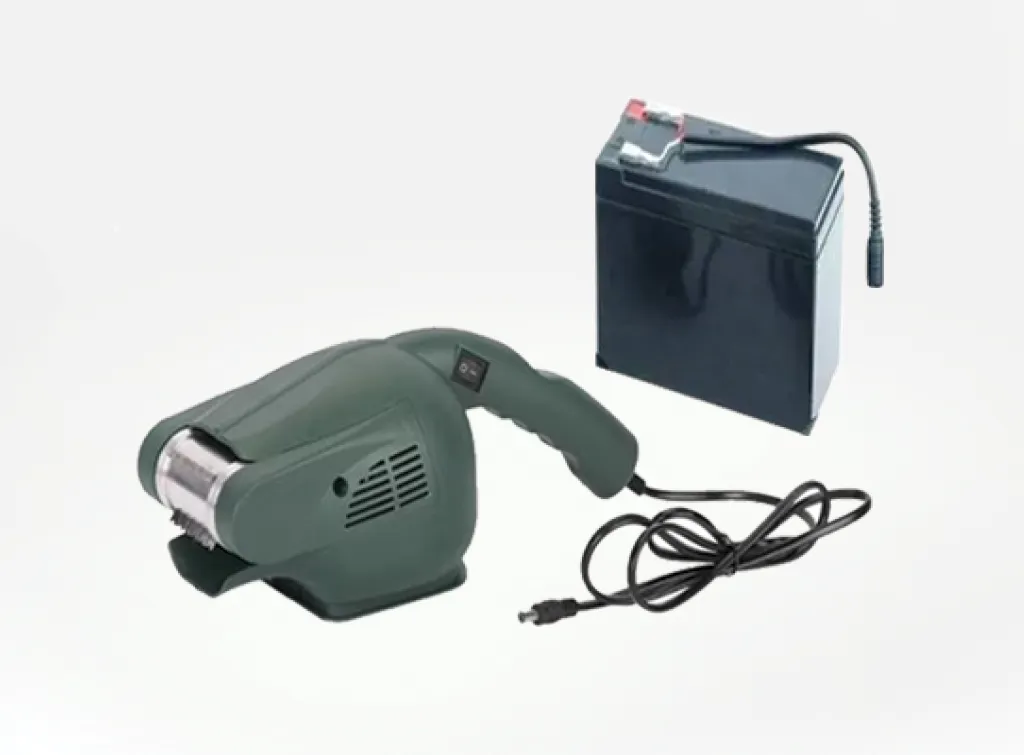
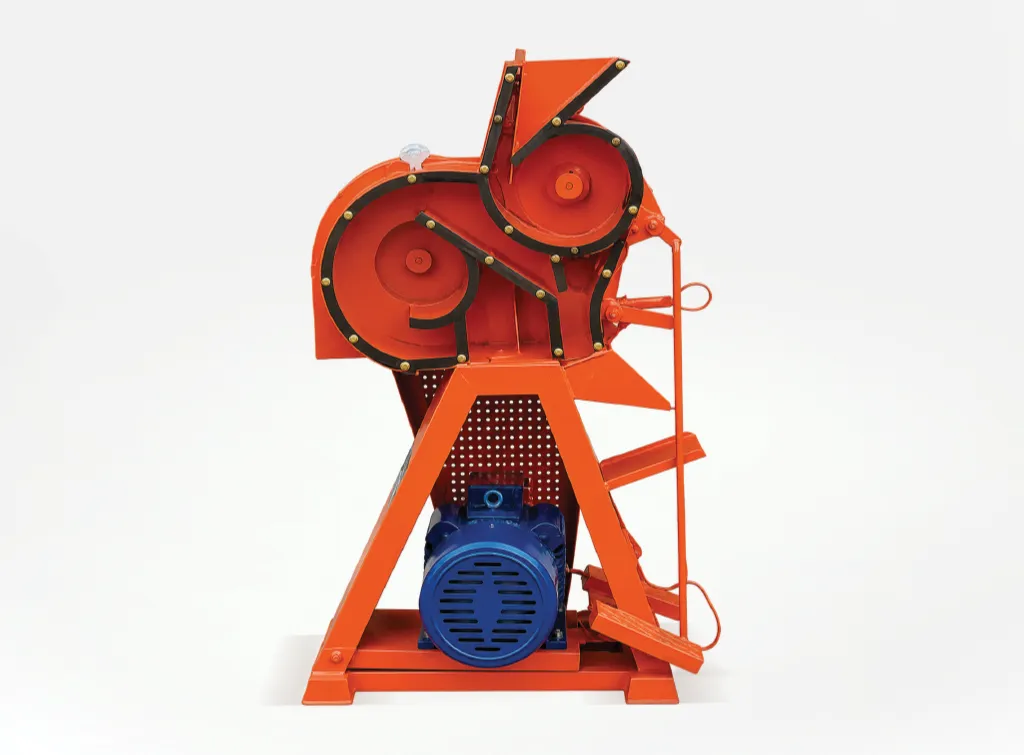
The BARI cowpea shelling machine separates cowpea and similar pulse grain from the pods, replacing hand shelling or beating. For anyone growing pulses on more than a token area, it turns a job measured in household days into one measured in hours — and it does it with less split and broken grain than beating.
Key takeaways
- Hand shelling is the bottleneck in pulse production; a sheller makes larger plantings practical.
- Split and cracked seed is the main quality risk — moisture and feeding rate control it.
- Grain for seed needs gentler handling than grain for consumption or sale.
- Based on a BARI-developed design and built at our Kushtia factory with service support.
Why shelling is the limiting step for pulses
Pulses are attractive crops for smallholders: they need relatively little water, improve soil nitrogen and sell well. The reason farmers plant less than they could is usually what happens after harvest. Hand shelling is slow, and beating pods with sticks damages a significant share of the grain, which hurts both the price and the germination rate if you intended to keep seed.
A sheller removes that constraint. The decision about how much to plant becomes a question of land and market rather than of how many hands you can get for shelling week.
Getting whole grain, not split grain
- Dry the pods properly first. Damp pods do not release grain cleanly and clog the machine.
- But not bone dry. Over-dry grain splits easily under mechanical action.
- Feed steadily. Surges overload the mechanism and increase breakage.
- Check a sample early. Adjust before you run the whole crop, not after.
- Handle seed grain gently — if the batch is for sowing, prioritise low damage over speed.
After shelling: cleaning and storage
Shelled grain still carries pod fragments and dust, so plan a cleaning step — a seed cleaner or winnowing — before storage or sale. Clean grain stores better and grades better.
Store dry and cool in sealed containers or well-stacked bags off the floor. Pulses are attractive to storage insects, so moisture control and clean, sealed storage matter as much for pulses as drying does for paddy.
Buying and maintenance
Confirm the power source, the pulses the machine is set up for, and where spare parts come from. If you plan to shell for neighbouring farmers, ask about transport — a sheller that can be moved around a village works far more hours per season than one fixed in a shed.
Maintenance is simple: clear pod debris after each run before it packs into the mechanism, check belts and fasteners, grease moving parts, and store clean and dry. Inspect wear parts before each season rather than mid-harvest.
BARI Cowpea Shelling Machine at a glance
| Machine | BARI Cowpea Shelling Machine |
|---|---|
| Category | Agro Machinery |
| Type | Processing |
| Main application | Pulse Processing |
| Key capabilities |
|
| Typical users | Cowpea and pulse processing, Farmer groups, Small agro-enterprises |
| Supplied by | GSM Engineering Bangladesh Ltd., Kushtia (ISO 9001:2015 certified) |
Frequently asked questions
Which pulses can it handle?
It is designed for cowpea and similar pulse crops. Because pod and grain size vary, confirm the setting for your specific crop and run a sample batch before processing the whole harvest.
Why is grain splitting during shelling?
Usually the grain is too dry or the machine is being fed unevenly. Shell at the right moisture, feed steadily, and check a sample to adjust before running the full batch.
Can shelled grain be used as seed?
Yes, provided the batch has been shelled gently and damage is low. Grain intended for seed should be processed with lower throughput and checked for cracks before storage.
Is it worth it for a small plot?
For a very small plot, hand shelling may be enough. Growers who plant pulses commercially, or who shell for others in the village, get the most value from the machine.
Related machines from GSM Engineering
Need this machine, a quotation or a field demonstration?
GSM Engineering manufactures and supplies agricultural machinery across Bangladesh from our Kushtia factory, with operator training, spare parts and after-sales service.
See the BARI Cowpea Shelling Machine product page | Contact us for pricing
বারি কাউপি শেলিং মেশিন: ডাল জাতীয় ফসল দ্রুত ছাড়ানোর যন্ত্র
↑ Read in English · বাংলা
বারি কাউপি শেলিং মেশিন কাউপি ও এ জাতীয় ডাল ফসলের খোসা থেকে দানা আলাদা করে — হাতে ছাড়ানো বা পিটিয়ে ভাঙার বিকল্প। যারা কিছুটা বড় পরিসরে ডাল চাষ করেন, তাদের জন্য এটি কয়েক দিনের কাজকে কয়েক ঘণ্টায় নামিয়ে আনে, আর পিটিয়ে ছাড়ানোর তুলনায় দানা ভাঙেও কম।
সংক্ষেপে
- ডাল চাষে আসল বাধা ফসল ওঠার পরের কাজ; শেলার থাকলে বেশি জমিতে চাষ করা বাস্তবসম্মত হয়।
- ভাঙা ও ফাটা দানাই প্রধান ঝুঁকি — আর্দ্রতা ও ফিডিংয়ের গতি দিয়ে তা নিয়ন্ত্রণ করা যায়।
- বীজের জন্য রাখা দানায় আরও যত্ন দরকার।
- বারি-উদ্ভাবিত নকশায় কুষ্টিয়ার কারখানায় তৈরি, সার্ভিস সহায়তা সহ।
ডাল চাষে ছাড়ানোর কাজই কেন প্রধান বাধা
ডাল ছোট কৃষকের জন্য আকর্ষণীয় ফসল — পানি কম লাগে, মাটিতে নাইট্রোজেন বাড়ায় এবং দামও ভালো। তবু অনেকে কম জমিতে চাষ করেন, কারণ ফসল ওঠার পরের কাজটাই কঠিন। হাতে ছাড়ানো ধীর, আর লাঠি দিয়ে পিটালে উল্লেখযোগ্য অংশ দানা নষ্ট হয় — দামও কমে, বীজ রাখতে চাইলে গজানোর হারও কমে।
শেলার থাকলে এই বাধা থাকে না। কত জমিতে চাষ করবেন সেটি তখন জমি ও বাজারের প্রশ্ন, ছাড়ানোর লোক পাওয়ার প্রশ্ন নয়।
দানা যেন না ভাঙে
- খোসা আগে ভালোভাবে শুকান — ভেজা খোসা থেকে দানা পরিষ্কারভাবে ছাড়ে না ও মেশিন জ্যাম হয়।
- তবে একেবারে শুকনো নয় — অতিরিক্ত শুকনো দানা যন্ত্রের চাপে সহজে ফাটে।
- সমানভাবে দিন — একসাথে বেশি দিলে চাপ পড়ে ও ভাঙা বাড়ে।
- আগে নমুনা দেখুন — পুরো ফসল চালানোর আগেই সমন্বয় করে নিন।
- বীজের ব্যাচ আলতোভাবে — গতির চেয়ে কম ক্ষতিকে প্রাধান্য দিন।
ছাড়ানোর পর: পরিষ্কার ও সংরক্ষণ
ছাড়ানো দানায় খোসার টুকরা ও ধুলা থাকে, তাই সংরক্ষণ বা বিক্রির আগে একটি পরিষ্কার করার ধাপ রাখুন — সিড ক্লিনার বা ঝাড়াই। পরিষ্কার দানা ভালো থাকে ও ভালো দামে বিক্রি হয়।
শুকনো ও ঠান্ডা জায়গায়, বন্ধ পাত্রে বা মেঝে থেকে উঁচুতে গুছিয়ে রাখা বস্তায় সংরক্ষণ করুন। ডালে পোকা ধরার ঝুঁকি বেশি, তাই আর্দ্রতা নিয়ন্ত্রণ ও পরিষ্কার সংরক্ষণ ধানের শুকানোর মতোই গুরুত্বপূর্ণ।
কেনা ও রক্ষণাবেক্ষণ
শক্তির উৎস, কোন ফসলের জন্য সেট করা এবং যন্ত্রাংশ কোথায় পাবেন — জেনে নিন। প্রতিবেশীদের ফসল ছাড়িয়ে দিতে চাইলে পরিবহনের কথাও ভাবুন; গ্রামে ঘুরিয়ে ব্যবহার করা গেলে মৌসুমে অনেক বেশি কাজ হয়।
যত্ন সহজ: প্রতিবার ব্যবহারের পর খোসার টুকরা জমে যাওয়ার আগেই পরিষ্কার করুন, বেল্ট ও বল্টু দেখুন, চলন্ত অংশে গ্রিজ দিন এবং পরিষ্কার-শুকনো অবস্থায় রাখুন। ক্ষয়শীল অংশ মৌসুমের আগেই পরীক্ষা করুন।
এক নজরে BARI Cowpea Shelling Machine
| যন্ত্র | BARI Cowpea Shelling Machine |
|---|---|
| ক্যাটাগরি | এগ্রো মেশিনারি |
| ধরন | Processing |
| প্রধান ব্যবহার | Pulse Processing |
| প্রধান সুবিধা |
|
| কারা ব্যবহার করেন | ডাল চাষি, ফসল প্রক্রিয়াজাত সেবাদাতা, কৃষক দল |
| সরবরাহকারী | জিএসএম ইঞ্জিনিয়ারিং বাংলাদেশ লিমিটেড, কুষ্টিয়া (ISO 9001:2015 সার্টিফাইড) |
সাধারণ জিজ্ঞাসা
কোন কোন ডালে ব্যবহার করা যায়?
কাউপি ও এ ধরনের ডাল ফসলের জন্য তৈরি। খোসা ও দানার আকার ভিন্ন হয় বলে আপনার ফসলের জন্য সেটিং মিলিয়ে নিয়ে প্রথমে অল্প পরিমাণ চালিয়ে দেখুন।
দানা ফেটে যাচ্ছে কেন?
সাধারণত দানা খুব শুকনো বা অসমানভাবে দেওয়া হচ্ছে। সঠিক আর্দ্রতায় ছাড়ান, সমানভাবে দিন এবং নমুনা দেখে সমন্বয় করুন।
ছাড়ানো দানা কি বীজ হিসেবে রাখা যায়?
হ্যাঁ, যদি আলতোভাবে ছাড়ানো হয় ও ক্ষতি কম থাকে। বীজের ব্যাচ ধীরে চালান এবং সংরক্ষণের আগে ফাটা আছে কি না দেখে নিন।
ছোট জমির জন্য কি দরকার?
খুব ছোট জমিতে হাতেও চলে। বাণিজ্যিকভাবে ডাল চাষ করলে বা গ্রামের অন্যদের ফসল ছাড়িয়ে দিলে যন্ত্রটি সবচেয়ে বেশি কাজে লাগে।
একই ধরনের অন্যান্য যন্ত্র
যন্ত্রটি কিনতে, দাম জানতে বা মাঠে ডেমো দেখতে চান?
জিএসএম ইঞ্জিনিয়ারিং কুষ্টিয়ার নিজস্ব কারখানায় কৃষি যন্ত্র তৈরি ও সরবরাহ করে — সাথে অপারেটর প্রশিক্ষণ, যন্ত্রাংশ ও বিক্রয়োত্তর সেবা।
BARI Cowpea Shelling Machine পণ্য পাতা দেখুন | দাম জানতে যোগাযোগ করুন
Written by the GSM Engineering team, Kushtia, Bangladesh — manufacturing and servicing agricultural machinery since 2004.
লিখেছে জিএসএম ইঞ্জিনিয়ারিং টিম, কুষ্টিয়া — ২০০৪ সাল থেকে কৃষি যন্ত্র তৈরি ও সার্ভিসে নিয়োজিত।