English · বাংলায় পড়ুন ↓
A dehusking machine removes the tough outer husk from barley so the grain can be used for food, malting or feed. The challenge is doing it without turning a useful share of the crop into broken grain and flour — and that balance is set by moisture, machine settings and how carefully you feed it.
Key takeaways
- Dehusking is a balance: remove enough husk without over-milling the kernel.
- Grain moisture before dehusking is the main lever you control.
- Husk and bran fractions have feed value — plan to collect, not waste, them.
- Based on a BARI-developed design, with service and spare parts support from Kushtia.
Why barley needs dehusking
Barley’s husk is tightly attached and indigestible in food use. Removing it opens the grain for human consumption, improves its value for feed, and is a required step for many processing uses.
Done well, you get clean, whole dehusked grain with a modest fraction of broken material. Done badly, you get flour, heat and a reduced yield of usable grain — the same crop, worth considerably less.
Controlling breakage
- Condition the grain. Slightly conditioned grain dehusks more cleanly than bone-dry grain, which shatters.
- Clean before dehusking. Stones and trash damage the abrasive surfaces and contaminate output.
- Feed steadily — surges increase pressure and breakage.
- Take two gentler passes rather than one aggressive one when the sample shows damage.
- Check the sample often, especially when you change batch or variety.
Handling the fractions
Dehusking produces more than one stream: dehusked grain, husk and fine bran-like material. Collect them separately. Husk and bran are feed ingredients with real value, and mixing them back into the grain lowers the quality of the main product.
If the dehusked grain is destined for food or malting, a cleaning pass with a seed cleaner afterwards improves appearance and removes residual husk.
Buying and maintenance
Confirm the power source, realistic throughput for your volume, and where abrasive components and other wear parts come from. If you will dehusk for other farmers, ask about transport and running cost per maund.
Clean the machine after each run — husk dust packs into every corner and is both a fire risk and a bearing problem. Check belts and fasteners regularly, grease on schedule, and inspect abrasive surfaces for wear; as they dull, you will press harder and break more grain without realising why.
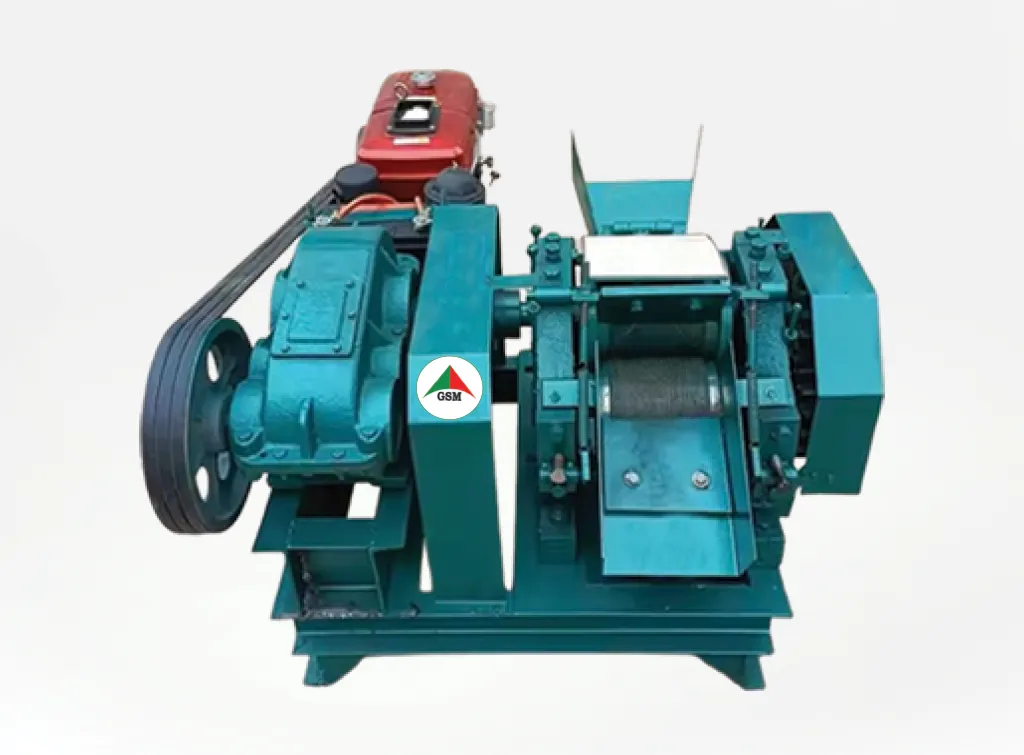
BARI Barley Dehusking Machine at a glance
| Machine | BARI Barley Dehusking Machine |
|---|---|
| Category | Agro Machinery |
| Type | Processing |
| Main application | Grain Processing |
| Key capabilities |
|
| Typical users | Barley processing, Small agro-enterprises, Farmer groups |
| Supplied by | GSM Engineering Bangladesh Ltd., Kushtia (ISO 9001:2015 certified) |
Frequently asked questions
Why is so much grain breaking?
Usually the grain is too dry, the machine is set too aggressively, or feeding is uneven. Condition the grain, feed steadily and consider two gentler passes instead of one hard pass.
Can the husk be used?
Yes. Husk and the fine bran fraction are useful feed ingredients, so collect them separately rather than mixing them back into the dehusked grain.
Does dehusked barley need cleaning afterwards?
For food or malting use, a cleaning pass improves appearance and removes residual husk and fines. For feed, requirements are usually less strict.
What are the main wear parts?
The abrasive surfaces, screens and belts. As abrasive components dull, operators tend to compensate with pressure, which increases breakage — inspect them regularly.
Related machines from GSM Engineering
Need this machine, a quotation or a field demonstration?
GSM Engineering manufactures and supplies agricultural machinery across Bangladesh from our Kushtia factory, with operator training, spare parts and after-sales service.
See the BARI Barley Dehusking Machine product page | Contact us for pricing
বারি বার্লি ডিহাস্কিং মেশিন: দানা না ভেঙে খোসা ছাড়ানো
↑ Read in English · বাংলা
ডিহাস্কিং মেশিন বার্লির শক্ত বাইরের খোসা ছাড়িয়ে দেয়, যাতে দানা খাদ্য, মল্টিং বা পশুখাদ্যে ব্যবহার করা যায়। চ্যালেঞ্জ হলো — ফসলের বড় অংশকে ভাঙা দানা ও গুঁড়ায় পরিণত না করে কাজটি করা; আর সেই ভারসাম্য নির্ভর করে আর্দ্রতা, মেশিনের সেটিং ও কতটা যত্নে ফসল দিচ্ছেন তার উপর।
সংক্ষেপে
- ডিহাস্কিং একটি ভারসাম্য — যথেষ্ট খোসা ছাড়বে, কিন্তু দানা বেশি ঘষা যাবে না।
- আপনার হাতে থাকা প্রধান নিয়ন্ত্রণ হলো দানার আর্দ্রতা।
- খোসা ও কুঁড়ার অংশেরও খাদ্যমূল্য আছে — আলাদা করে সংগ্রহ করুন।
- বারি-উদ্ভাবিত নকশা, কুষ্টিয়া থেকে সার্ভিস ও যন্ত্রাংশ সহায়তা।
বার্লিতে ডিহাস্কিং কেন দরকার
বার্লির খোসা শক্তভাবে লেগে থাকে এবং খাদ্য হিসেবে হজমযোগ্য নয়। খোসা ছাড়ালে দানা মানুষের খাদ্যের উপযোগী হয়, পশুখাদ্য হিসেবেও মূল্য বাড়ে এবং অনেক প্রক্রিয়াজাতের জন্য এটি বাধ্যতামূলক ধাপ।
ভালোভাবে করলে পরিষ্কার, আস্ত দানা পাওয়া যায়, ভাঙা থাকে সামান্য। খারাপভাবে করলে গুঁড়া, তাপ ও কম ব্যবহারযোগ্য দানা — একই ফসল, অথচ অনেক কম দাম।
ভাঙা কমানোর উপায়
- দানা একটু প্রস্তুত করে নিন — একেবারে শুকনো দানা ভেঙে যায়, সামান্য আর্দ্র দানায় খোসা পরিষ্কারভাবে ছাড়ে।
- আগে পরিষ্কার করুন — পাথর ও আবর্জনা ঘষার অংশ নষ্ট করে ও পণ্য দূষিত করে।
- সমানভাবে দিন — একসাথে বেশি দিলে চাপ ও ভাঙা দুটোই বাড়ে।
- এক কড়া চালের বদলে দুই হালকা চাল দিন, যদি নমুনায় ক্ষতি দেখা যায়।
- ঘন ঘন নমুনা দেখুন, বিশেষ করে ব্যাচ বা জাত বদলালে।
উপজাত সামলানো
ডিহাস্কিংয়ে একাধিক ধারা বের হয়: খোসা ছাড়ানো দানা, খোসা এবং কুঁড়ার মতো মিহি অংশ। এগুলো আলাদা করে সংগ্রহ করুন। খোসা ও কুঁড়া খাদ্য উপাদান হিসেবে মূল্যবান, আর তা দানার সাথে মিশিয়ে ফেললে মূল পণ্যের মান কমে যায়।
দানা খাদ্য বা মল্টিংয়ের জন্য হলে পরে সিড ক্লিনারে একবার পরিষ্কার করলে চেহারা ভালো হয় ও অবশিষ্ট খোসা দূর হয়।
কেনা ও রক্ষণাবেক্ষণ
শক্তির উৎস, আপনার পরিমাণের জন্য বাস্তব ক্ষমতা এবং ঘষার অংশসহ ক্ষয়শীল যন্ত্রাংশ কোথায় পাবেন — নিশ্চিত হোন। অন্যের ফসল ডিহাস্ক করলে পরিবহন ও মণপ্রতি খরচও হিসাব করুন।
প্রতিবার ব্যবহারের পর পরিষ্কার করুন — খোসার ধুলা সব কোণে জমে, যা আগুনের ঝুঁকি ও বিয়ারিংয়ের সমস্যা। বেল্ট ও বল্টু নিয়মিত দেখুন, নিয়ম মেনে গ্রিজ দিন এবং ঘষার অংশের ক্ষয় পরীক্ষা করুন; ক্ষয়ে গেলে অজান্তেই বেশি চাপ দেওয়া হয় ও দানা বেশি ভাঙে।
এক নজরে BARI Barley Dehusking Machine
| যন্ত্র | BARI Barley Dehusking Machine |
|---|---|
| ক্যাটাগরি | এগ্রো মেশিনারি |
| ধরন | Processing |
| প্রধান ব্যবহার | Grain Processing |
| প্রধান সুবিধা |
|
| কারা ব্যবহার করেন | বার্লি চাষি ও প্রক্রিয়াজাতকারী, খাদ্য প্রক্রিয়াজাত উদ্যোক্তা, পশুখাদ্য উৎপাদনকারী |
| সরবরাহকারী | জিএসএম ইঞ্জিনিয়ারিং বাংলাদেশ লিমিটেড, কুষ্টিয়া (ISO 9001:2015 সার্টিফাইড) |
সাধারণ জিজ্ঞাসা
এত দানা ভাঙছে কেন?
সাধারণত দানা খুব শুকনো, মেশিন খুব কড়া সেটিংয়ে, অথবা অসমানভাবে দেওয়া হচ্ছে। দানা প্রস্তুত করে নিন, সমানভাবে দিন এবং এক কড়া চালের বদলে দুই হালকা চাল দিন।
খোসা কাজে লাগে?
হ্যাঁ। খোসা ও মিহি কুঁড়া পশুখাদ্যের উপাদান, তাই আলাদা করে সংগ্রহ করুন, দানার সাথে মেশাবেন না।
ডিহাস্ক করা বার্লি কি আবার পরিষ্কার করতে হয়?
খাদ্য বা মল্টিংয়ের জন্য হলে একবার পরিষ্কার করলে চেহারা ভালো হয় ও অবশিষ্ট খোসা দূর হয়। পশুখাদ্যের জন্য শর্ত সাধারণত কম কড়া।
কোন অংশ বেশি ক্ষয় হয়?
ঘষার অংশ, চালুনি ও বেল্ট। ঘষার অংশ ভোঁতা হলে অপারেটর চাপ বাড়িয়ে পুষিয়ে নিতে চান, তাতে ভাঙা বাড়ে — তাই নিয়মিত পরীক্ষা করুন।
একই ধরনের অন্যান্য যন্ত্র
যন্ত্রটি কিনতে, দাম জানতে বা মাঠে ডেমো দেখতে চান?
জিএসএম ইঞ্জিনিয়ারিং কুষ্টিয়ার নিজস্ব কারখানায় কৃষি যন্ত্র তৈরি ও সরবরাহ করে — সাথে অপারেটর প্রশিক্ষণ, যন্ত্রাংশ ও বিক্রয়োত্তর সেবা।
BARI Barley Dehusking Machine পণ্য পাতা দেখুন | দাম জানতে যোগাযোগ করুন
Written by the GSM Engineering team, Kushtia, Bangladesh — manufacturing and servicing agricultural machinery since 2004.
লিখেছে জিএসএম ইঞ্জিনিয়ারিং টিম, কুষ্টিয়া — ২০০৪ সাল থেকে কৃষি যন্ত্র তৈরি ও সার্ভিসে নিয়োজিত।